



Salmonella, E. coli, and cross-contamination aren't theoretical risks for a butcher shop — they're the everyday reality that food safety procedures are built to prevent. The consequences of getting it wrong are serious: customer illness, hygiene rating downgrades, possible prosecution, and reputational damage that can close a shop. This guide covers the three main pathogens, how they spread, and the practical procedures that keep a butcher's premises compliant and safe.
The three main pathogens
Salmonella
Salmonella is a bacterium most commonly found in raw poultry, eggs, raw red meat, and sometimes raw fruit and vegetables contaminated by animal sources. Symptoms in infected humans include diarrhoea, fever, abdominal cramps, and vomiting — typically 6 to 48 hours after ingestion, lasting 4-7 days. Vulnerable groups (young children, elderly, pregnant women, immunocompromised) can develop severe complications.
Killed by proper cooking. The risk in a butcher shop is contamination of cooked or ready-to-eat products from raw meat, not the raw meat itself — customers cook the raw product, but a contaminated cooked ham is a direct hazard.
E. coli (Escherichia coli)
Most E. coli strains are harmless. The dangerous strain is E. coli O157:H7, which produces a toxin that can cause severe abdominal cramps, bloody diarrhoea, and — in serious cases — haemolytic uraemic syndrome leading to kidney failure. Source is typically contaminated raw beef (especially mince), unpasteurised dairy, or contaminated water.
E. coli is killed by proper cooking to 70°C core temperature. Risk in butchery is principally undercooked mince and cross-contamination from raw beef trim to ready-to-eat products.
Cross-contamination
Cross-contamination is the mechanism by which both pathogens (and many others) spread. Bacteria transfer from raw to ready-to-eat via: shared cutting boards, shared knives, shared work surfaces, unwashed hands between tasks, common storage, and aerosolisation from saws and slicers.
The food safety system is not designed to make bacteria disappear; it's designed to keep them where they are (in the raw product, where cooking will kill them) and out of where they can do harm (ready-to-eat products and surfaces customers touch).
The HACCP framework
HACCP (Hazard Analysis and Critical Control Points) is the food safety management system required by UK law for any food business. The principle: identify the points in your process where contamination can occur or be controlled, monitor those points, and document the monitoring.
For a butcher shop, the typical critical control points are:
- Receipt of raw materials — temperature check on delivery
- Storage temperature — fridges at 1-4°C, freezers at -18°C, logged daily
- Separation of raw and cooked — physically separate storage and prep
- Cleaning and sanitisation — documented schedule
- Personal hygiene — handwashing protocol, exclusion of sick staff
HACCP records are the first thing an Environmental Health officer asks to see during an audit. No records = no system, regardless of how clean the premises look.
Practical procedures that prevent contamination
1. Physical separation
- Separate fridges (or clearly separated zones within one fridge) for raw meat and ready-to-eat products
- Colour-coded chopping boards and knives — red for raw meat, blue for raw fish, yellow for cooked, green for vegetables. See our knives range for matched colour-coded sets.
- Separate prep areas for raw and cooked where possible; thorough sanitisation between if not
2. Personal hygiene
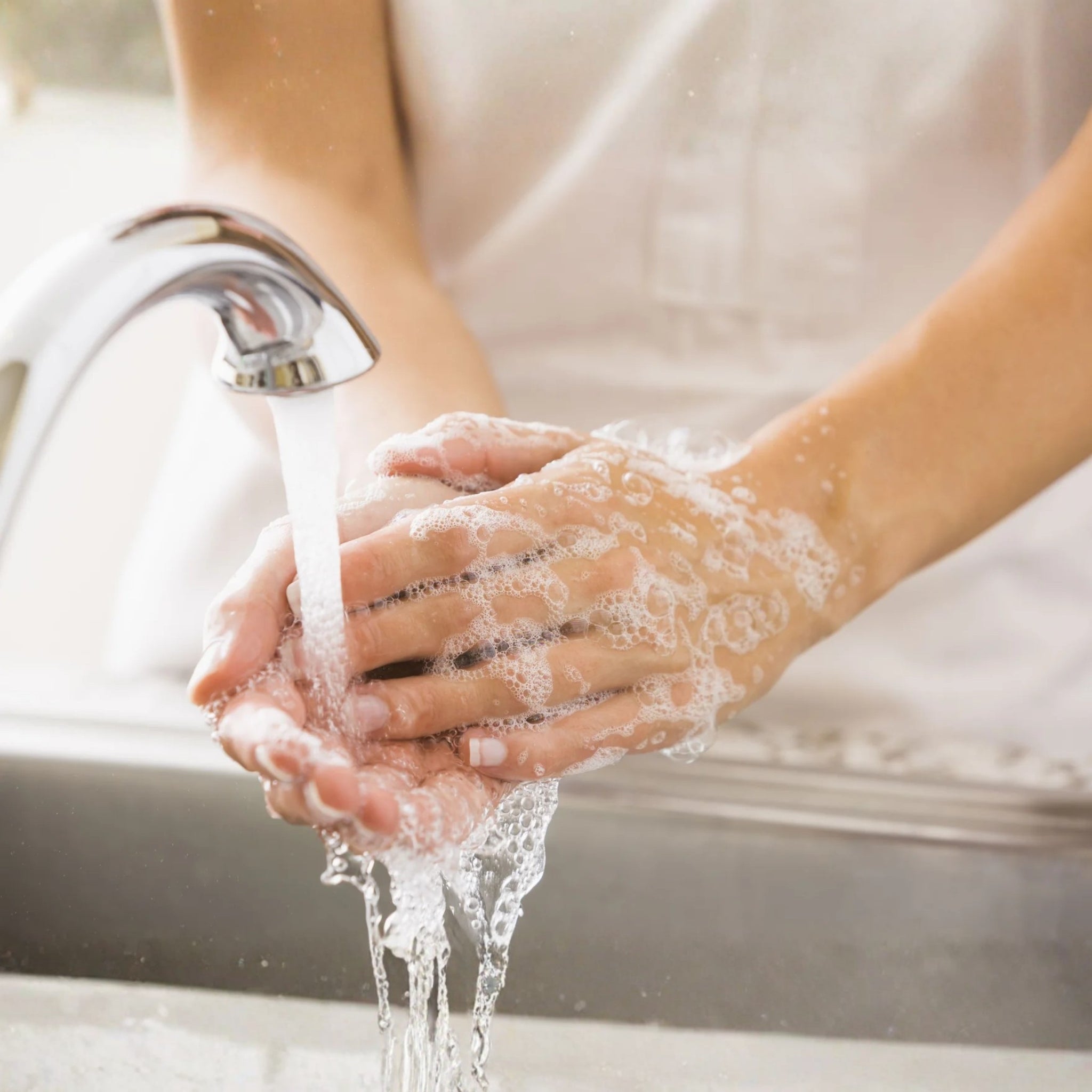
- Handwashing with soap and warm water at start of shift, between tasks (especially raw → cooked), after breaks, after handling waste, after toilet use
- Hand-only sinks separate from food prep sinks
- Clean butcher coats daily (see our butcher coats range)
- Hair restraints (hats, hairnets) mandatory
- No jewellery beyond a plain wedding band
- No staff with diarrhoea, vomiting, or open wounds on hands working with food (legal exclusion)
3. Cleaning and sanitisation
- Documented cleaning schedule — what, by whom, how often, with what
- Two-stage cleaning: detergent first (removes the dirt), sanitiser second (kills bacteria)
- Sanitisers approved for food-contact surfaces only (check your supplier's certification)
- Particular attention to high-risk equipment: mincers, slicers, bandsaws, vacuum packers — strip down for proper internal cleaning, not just surface wipe
4. Temperature control
- All chilled products kept at 1-4°C from receipt to sale
- Frozen products at -18°C or colder
- Cooked products cooled rapidly through the 8-60°C danger zone (less than 90 minutes total)
- Temperature logs maintained daily — paper or digital, doesn't matter, but must be done
5. Equipment maintenance
Damaged equipment is a contamination risk — scratched chopping boards harbour bacteria; cracked seals on slicers trap residue; worn knife handles develop bacterial pockets. Inspect regularly and replace before damage causes a problem.
What an Environmental Health visit looks at
EHOs (Environmental Health Officers) inspect under the Food Standards Agency framework. The visit focuses on:
- Hygiene of premises and equipment
- Structural condition
- Food safety procedures (your HACCP documentation)
- Confidence in management — do staff know the procedures, are records being kept
These three areas produce your Food Hygiene Rating (0-5 stars), which must be displayed in your premises.
The cost of getting it wrong
A confirmed foodborne illness outbreak traced to a butcher shop typically results in: emergency closure pending investigation, product recall, regulatory prosecution (fines up to unlimited under the Food Safety Act 1990), and the practical impossibility of reopening with public confidence. Prevention is many orders of magnitude cheaper than recovery.
Reference materials
The Food Standards Agency provides free, practical food safety guidance specific to butchers at food.gov.uk. Their "Safer Food, Better Business" pack is the standard HACCP-compliant documentation system for small food businesses and covers everything required for a typical butcher shop.
For matched PPE, safety gloves, and food-safe equipment to support your hygiene procedures, browse our full range or get in touch.


